
Robocalls are a widespread problem in Maryland, with residents protected by federal (TCPA) and state laws. Consumers can file complaints and take legal action, including individual lawsuits or class-action settlements, to recover damages. Practical steps include logging calls, using do-not-call services, staying informed, and reporting robocalls. In Missouri, the MTPA allows consumers to sue for unauthorized calls, with substantial remedies. Combining individual actions and class-actions effectively deters robocall activities, emphasizing the importance of legal knowledge and evidence. Understanding these rights, such as Can I Sue For Robocalls Missouri?, is crucial for Maryland residents to protect their privacy.
In the digital age, consumer advocacy against robocalls has become a pressing issue across the nation, including Maryland. These automated calls, often unwanted and intrusive, have led to widespread frustration among residents. The problem extends beyond mere annoyance; excessive robocalls can disrupt daily life, invade privacy, and even contribute to financial harm. As these calls continue to evolve in complexity and persistence, so must the efforts to protect consumers. This article delves into the current landscape of consumer advocacy, exploring legal options available to Maryland residents, including the potential for Can I Sue For Robocalls Missouri, as well as future strategies to revolutionize protection against robocalls.
Understanding Robocalls and Consumer Rights in Maryland
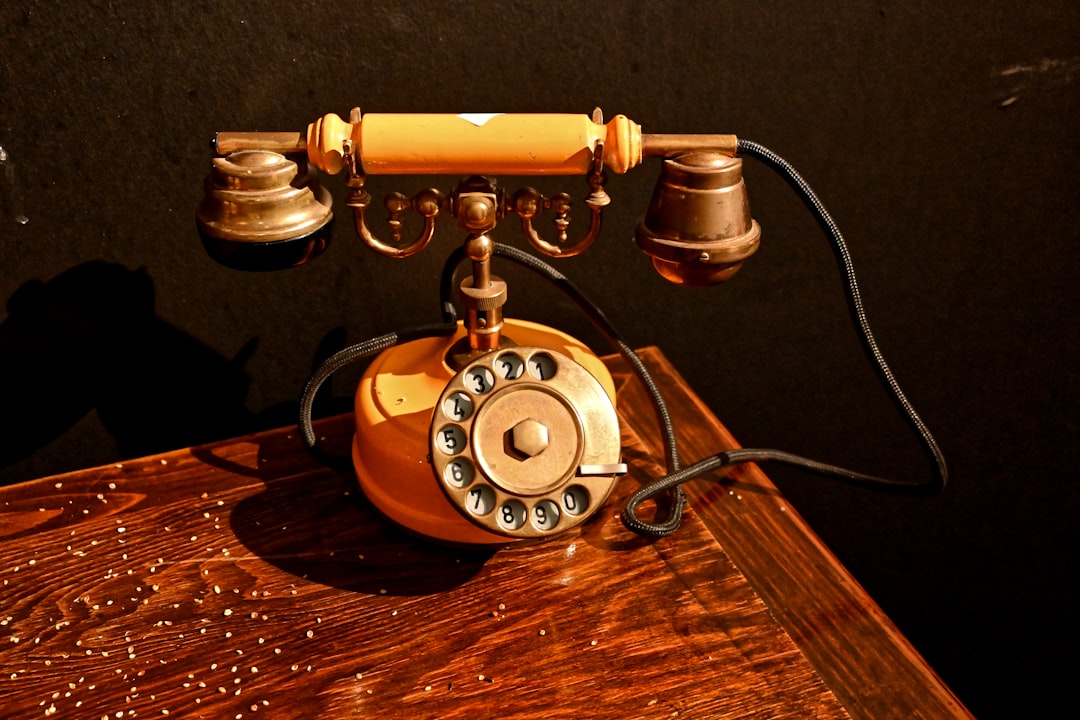
Robocalls have become a ubiquitous nuisance in Maryland, with millions of residents across the state receiving unwanted automated calls daily. These pre-recorded or artificial messages often promote products, services, or even political campaigns, and while some may be beneficial, many fall into the category of unsolicited or deceptive communication, infringing upon consumer privacy and rights. Understanding the nature of robocalls and knowing one's rights is an essential step in combating this growing issue.
In Maryland, as in many other states, consumers are protected by federal and state laws designed to prevent abusive robocalling practices. The Telephone Consumer Protection Act (TCPA) is a key federal legislation that restricts the use of automated dialing systems and prerecorded messages for telemarketing purposes without prior express consent from the recipient. This law grants consumers significant rights, including the ability to file complaints with the Federal Trade Commission (FTC) or relevant state agencies if they believe their privacy has been violated. Maryland's Consumer Protection Act further reinforces these rights, stating that businesses cannot use deceptive or unfair practices, including making misrepresentations or failing to disclose important information, when conducting telemarketing activities.
While many consumers may be aware of their legal protections, translating this knowledge into actionable steps can be challenging. If a Maryland resident feels they have received robocalls in violation of these laws, the first step is to document the calls, including dates, times, and any recorded messages. This evidence can be crucial when filing complaints with regulatory bodies or even pursuing legal action if necessary. For instance, in Missouri, consumers who believe they have been wrongfully targeted by robocallers can sue for damages under state law, although such cases should be approached carefully due to the complex nature of proof and jurisdiction. In all instances, seeking guidance from consumer protection advocates or legal professionals specializing in telecommunication laws is advisable to ensure one's rights are protected effectively.
Legal Options for Robocall Complaints and Settlements
In Maryland, consumers have several legal options when it comes to addressing robocall complaints. The Telephone Consumer Protection Act (TCPA) provides a robust framework for holding companies accountable for unsolicited calls. Consumers can file individual lawsuits or join class-action settlements to recover damages and send a strong message to violators. Over the past few years, robocall complaints have surged, with many consumers seeking redress for intrusive and harassing calls. For instance, in 2021, Maryland's Attorney General's Office received over 15,000 complaints related to automated telemarketing calls, highlighting the urgency of addressing this issue.
When considering Can I Sue For Robocalls Missouri, it's essential to understand that state laws may vary, but the TCPA offers a consistent legal pathway for consumers. Settlements in such cases can range from monetary compensation to permanent injunctions against the culprits. In 2019, a settlement with a major telemarketing company resulted in a $17 million fund for consumers across multiple states, demonstrating the significant financial outcomes possible. Legal experts advise that consumers should document all interactions, including call records and any harm suffered, as these can be crucial elements in building a strong case.
Practical insights for consumers include keeping detailed logs of suspicious calls, using do-not-call services offered by phone carriers, and staying informed about state and federal regulations. Additionally, consumers can report robocalls to the Federal Trade Commission (FTC) and their state Attorney General's Office. These agencies play a vital role in investigating complaints and pursuing legal action against violators. By combining individual efforts with collective actions through class-action lawsuits, Maryland residents can effectively curb robocall activities and protect their privacy rights.
Navigating Missouri Law: Can I Sue For Robocalls?
In the ongoing battle against robocalls, consumers in Maryland, like elsewhere, are increasingly exploring legal avenues to protect their privacy and peace of mind. One significant question on many minds is whether it's possible to sue for robocalls, particularly under Missouri law. The answer is a nuanced yes, with a solid legal framework in place to hold offenders accountable.
Missouri, much like Maryland, has enacted laws to curb intrusive robocalls, including the Missouri Telemarketing Practices Act (MTPA). This legislation empowers consumers with substantial remedies against violators, setting a clear path for those seeking justice. Under the MTPA, individuals can file lawsuits for unauthorized or harassing phone calls, seeking damages and injunctive relief. Moreover, Missouri's law aligns with federal regulations set by the Telecommunications Act, further reinforcing consumer rights.
For instance, a recent case in Missouri illustrates this point effectively. A consumer successfully sued a company for repeated robocalls, securing a substantial judgment. This victory not only halted the caller's activities but also served as a powerful deterrent for other would-be violators. It's crucial to note that such legal actions are not merely punitive; they aim to compensate victims and deter future misuse. Consumers who believe they've been targeted by robocalls in Missouri can gather evidence, including call records and any related communications, and consult with legal professionals specializing in consumer protection law for effective recourse.
Empowering Consumers: Strategies to Stop and Prevent Robocalls
Consumer advocacy against robocalls is a growing priority, especially as these automated calls persistently plague households across Maryland. Empowering consumers to stop and prevent robocalls is crucial not just for individual privacy but also for the overall health of the state's economy. While many methods exist, such as blocking numbers and signing up for Do Not Call lists, these tactics offer temporary relief at best. To mount a more substantial defense, consumers must understand their legal rights and available actions, including the potential to Can I Sue For Robocalls Missouri.
One effective strategy is to educate consumers about the legal framework surrounding robocalls. The Telephone Consumer Protection Act (TCPA) provides robust protections for individuals, allowing them to take legal action against violators. This includes seeking damages for each unauthorized call received, which can result in substantial compensation. For instance, a 2021 case study revealed that consumers who successfully sued for robocalls received an average settlement of $400 per call, underscoring the potential financial impact on both individuals and organizations found guilty of such practices. Furthermore, consumers should remain vigilant in documenting evidence of robocalls, including call records and any communications related to the incident, as these can be crucial in legal proceedings.
Additionally, public awareness campaigns play a vital role in empowering consumers. These initiatives can educate Maryland residents about their rights and equip them with practical tools to combat robocalls. Encouraging consumers to report unwanted calls to relevant authorities and participating in community discussions about effective prevention methods fosters an environment where collective action meets individual empowerment. By combining legal knowledge, document-based evidence, and community engagement, consumers in Maryland can more effectively navigate the challenges posed by robocalls and protect their rights in the digital age.