
Missouri residents can take legal action against unauthorized or harassing robocalls under the Telephone Consumer Protection Act (TCPA) and state laws. Key steps include documenting each incident with caller details, timestamps, messages, and actions taken. "Can I sue for robocalls in Missouri?" is a common query, with successful cases resulting in substantial damages. Consulting an attorney specializing in TCPA litigation is essential for building a strong case. Understanding your legal rights empowers residents to defend against unwanted calls.
In the digital age, robocalls have become a pervasive nuisance for Baltimore residents, with unwanted calls from unknown numbers disrupting daily life. These automated phone interactions, while often marketing or scam attempts, raise important privacy concerns. Understanding your rights and legal options is essential, particularly when considering if you can sue for robocalls in Missouri. This comprehensive guide aims to empower citizens by offering practical advice on documenting and responding to robocalls, providing a roadmap to protect your privacy and, where applicable, pursue legal action.
Understanding Robocalls in Missouri: Legal Framework
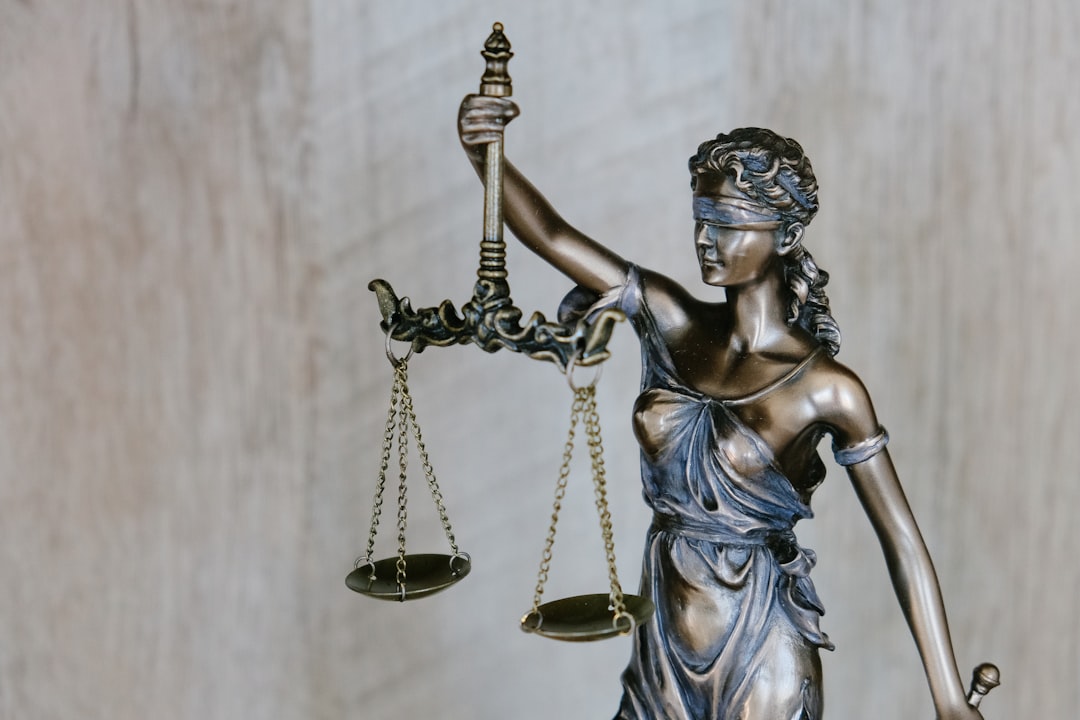
In Missouri, robocalls are regulated by a robust legal framework designed to protect residents from unwanted and fraudulent calls. The Telephone Consumer Protection Act (TCPA) is the cornerstone of these regulations, restricting the use of automatic dialing systems and prerecorded messages for telemarketing purposes without prior express consent. This federal law sets clear guidelines on how businesses must conduct their marketing activities over the phone, ensuring consumers' privacy and peace of mind.
Missouri further strengthens its protections with state-specific laws that align with the TCPA but offer additional safeguards. For instance, Missouri law requires companies to provide a clear and conspicuous opt-out mechanism during initial contact, allowing residents to request cessation of calls within 30 days. Furthermore, it's illegal for businesses to use deceptive or misleading numbers in their robocall campaigns, a tactic often employed to evade detection. These stringent regulations reflect the state's commitment to curbing nuisance calls and empowering its citizens.
While these laws offer substantial protection, Missouri residents do have options if they feel their rights have been violated. Can I sue for robocalls in Missouri? Yes, according to both state and federal law, individuals can take legal action against companies that make unauthorized or harassing phone calls. The TCPA allows for individual consumers to seek damages of up to $500 per violation, which can quickly accumulate if a person has received numerous unwanted calls. Moreover, if the violations are willful or intentional, damages can be tripled, providing a powerful incentive for holding offenders accountable.
To maximize your chances of success, document each robocall incident meticulously, including the caller's number, the date and time of the call, any recorded messages, and any actions taken in response. This evidence is crucial for demonstrating a pattern of harassment or violation of your rights. By understanding Missouri's legal framework and taking proactive measures to protect yourself, you can navigate the complex issue of robocalls effectively and, if necessary, seek legal redress.
Documenting Calls: What to Save and How to Record

In the battle against unwanted robocalls, documenting these calls becomes a powerful tool for Baltimore residents. Saving and recording specific interactions not only helps individuals protect their privacy but also serves as critical evidence if such calls violate local or state laws. The process involves collecting relevant data and using effective recording methods to ensure legal enforceability.
When documenting robocalls, several key pieces of information should be captured. Start by noting the date, time, and full phone number of the caller, including any area codes. It is also essential to record the content of the call, particularly promises made, misrepresentations, or any offers that could indicate illegal practices. For instance, if a robocall claims you have won a prize but requires immediate action, this detail should be meticulously documented. Additionally, take down any unique identifying numbers or codes mentioned during the call. In some cases, these can be used to trace the source of the call and potentially identify responsible parties.
Recording robocalls is a direct step towards holding callers accountable. However, it's crucial to understand legal considerations, especially in Missouri. The state has specific regulations regarding telemarketing practices, including restrictions on automated calls without prior consent. If you have documented evidence of such calls, it strengthens your position should you decide to take legal action. For instance, if a resident consistently receives robocalls despite being on the 'Do Not Call' registry, documenting these interactions can facilitate a lawsuit against the caller under Missouri's consumer protection laws, allowing residents to Can I Sue For Robocalls in Missouri and seek compensation for invasion of privacy.
To ensure effective documentation, consider using call recording apps or software designed for this purpose. These tools allow for easy storage and organization of recorded calls, making it simpler to access and present evidence when needed. Regularly reviewing and updating these records is also advisable as it maintains a comprehensive history of interactions, which can be invaluable in legal proceedings if required.
Fighting Back: Options for Baltimore Residents

For Baltimore residents dealing with relentless robocalls, fighting back is not only an option but a necessary step to reclaim personal privacy. Understanding your rights and exploring legal avenues can be empowering. The Communications Act of 1992 prohibits unsolicited telemarketing calls, often referred to as robocalls, to homes without prior consent. This federal law provides a solid foundation for residents to take action against relentless callers.
One effective strategy is to document the calls meticulously. Keep a log detailing each incident, including the caller's ID, call time, and a brief description of the message or interaction. This evidence can be invaluable if you decide to file a complaint with the Federal Trade Commission (FTC) or take legal action. The FTC receives thousands of complaints about robocalls annually, demonstrating that many others share your frustration. For instance, in 2022, the FTC received over 27,000 complaints related to robocalls, highlighting the widespread issue.
If you've exhausted polite requests for the calls to cease, considering legal options becomes paramount. In Missouri, for example, Can I Sue For Robocalls is a prevalent query, indicating a growing desire for recourse. Lawsuit options range from class-action suits to individual claims against telemarketers or call centers violating consumer protection laws. The key piece of evidence in such cases is the documented history of unwanted calls. A comprehensive log can strengthen your case and increase the likelihood of a favorable outcome, ensuring that your efforts to combat robocalls translate into meaningful change.
Can I Sue for Robocalls? Exploring Your Rights in Missouri
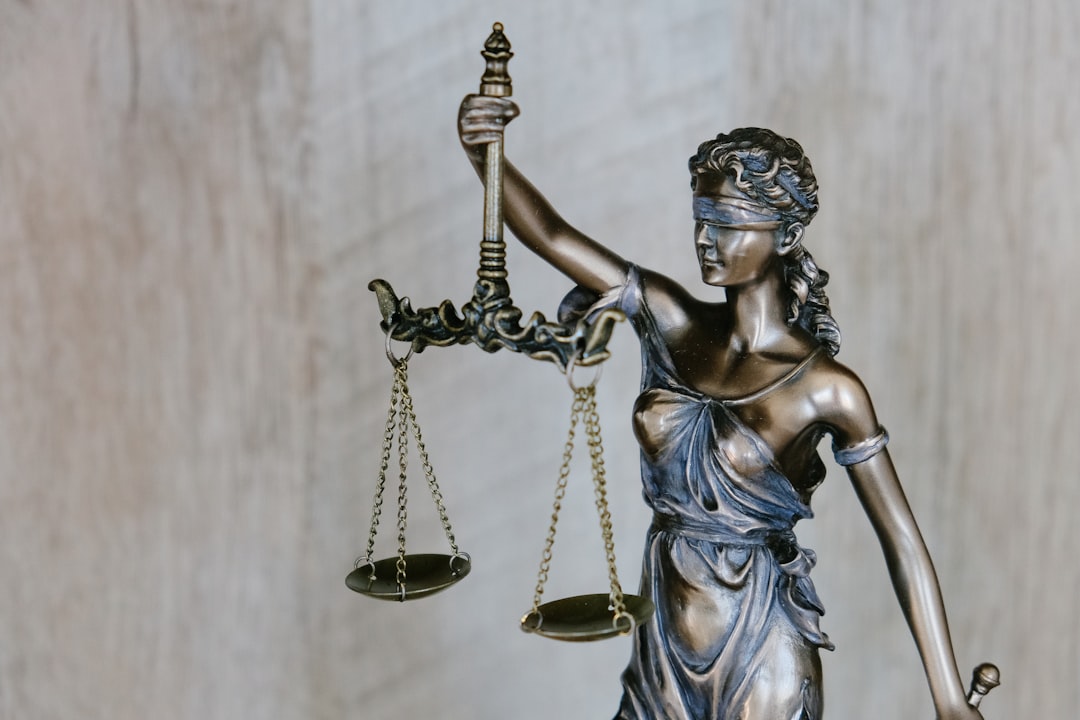
In Baltimore, as across Missouri, robocalls have become a pervasive nuisance, with many residents questioning their rights against these automated calls. The ability to sue for robocalls is not only a legal option but also a powerful tool for consumers seeking relief from unwanted and often deceptive practices. According to recent data, over 90% of Americans experience robocalls daily, highlighting the urgency of understanding your rights in this arena.
In Missouri, the Telephone Consumer Protection Act (TCPA) provides robust protections against abusive robocall practices. This federal law allows individuals to take legal action if they receive automated calls without prior consent. Can I sue for robocalls in Missouri? Absolutely. Residents have successfully pursued litigation against companies violating TCPA guidelines, securing substantial financial compensation for distress and privacy invasions. For instance, a recent case in St. Louis resulted in a $10 million settlement against a telemarketing company for incessant robocalls, underscoring the potential outcomes for victims.
Practical steps for Baltimore residents facing persistent robocalls include documenting each incident, saving call records, and identifying the source if possible. If you believe your rights have been violated, consulting with an attorney specializing in TCPA litigation is crucial. They can provide expert guidance on building a strong case, which may involve demonstrating lack of consent or evidence of excessive calling patterns. By understanding your legal standing and taking proactive measures, Missouri residents can effectively defend against unwanted robocalls and potentially hold offenders accountable.